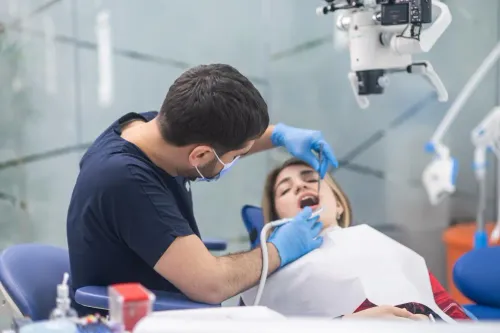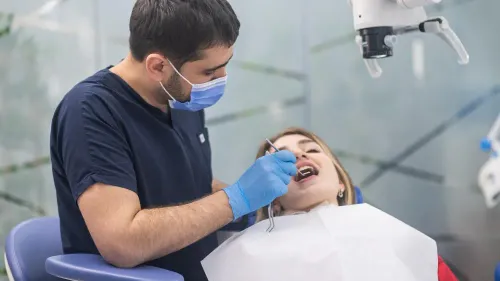

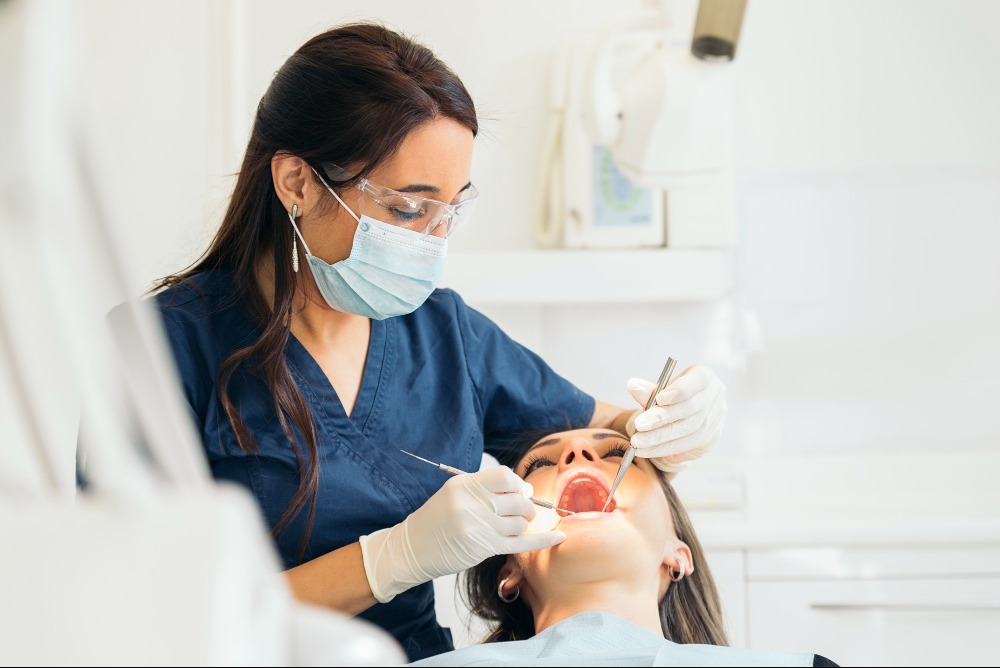
Patients searching for the Best Dental Surgeon in Kothrud may be dealing with impacted wisdom teeth, severely damaged teeth, oral cysts, recurring infections, or another condition that could require a surgical dental procedure.
Dental surgery should begin with diagnosis and treatment planning. The complexity of a procedure can vary substantially depending on tooth position, surrounding bone, nearby structures, medical history, and the nature of the underlying condition.
When Is Dental Surgery Considered?
Many dental problems can be managed without surgery. Surgical treatment is considered when examination and imaging indicate that a procedure is necessary to address the condition safely and effectively.
Situations can include:
- Impacted wisdom teeth
- Severely broken teeth
- Teeth that cannot be restored
- Retained roots
- Certain dental infections
- Oral cysts
- Selected implant procedures
- Conditions affecting surrounding bone or tissues
The exact approach depends on the diagnosis.
Wisdom Tooth Surgery Requires Planning
Wisdom teeth vary significantly from patient to patient.
Some emerge normally and require no treatment. Others remain partly or completely beneath the gum or bone.
An impacted wisdom tooth may cause repeated gum inflammation, food trapping, decay, pressure symptoms, or problems affecting an adjacent tooth.
Before recommending removal, the dentist evaluates the tooth's position and relationship with nearby anatomical structures using appropriate dental imaging.
Severely Damaged Teeth Need Careful Evaluation
A tooth that appears badly broken is not automatically unsuitable for restoration.
The dentist considers remaining tooth structure, root condition, periodontal support, infection, and the ability to restore the tooth predictably.
When preservation is not practical, extraction may be recommended. Surgical techniques may be required when the tooth is fractured below the gum line, impacted, or difficult to remove through a straightforward extraction.
Oral Cysts Require Proper Diagnosis
Cysts can develop within the jaws for different reasons. Some are related to teeth, while others have different origins.
They may be discovered during dental imaging even when the patient has few symptoms.
Depending on the condition, further investigation and surgical management may be necessary. Tissue removed during a procedure may also require laboratory examination when clinically indicated.
This highlights why unexplained jaw swelling should not be self-diagnosed.
What Happens Before Dental Surgery?
Pre-surgical assessment may include a medical history, medication review, clinical examination, and appropriate imaging.
Patients should tell the dentist about ongoing medications, allergies, previous reactions to anaesthesia, bleeding disorders, and relevant medical conditions.
The surgeon can then explain the planned procedure, expected recovery, aftercare, and potential risks based on the individual case.
Recovery Is Part of Treatment
Following post-operative instructions is important after oral surgery.
Patients may receive guidance concerning:
- Managing the surgical area
- Oral hygiene during healing
- Food choices
- Physical activity
- Prescribed medication
- Follow-up appointments
- Warning signs requiring review
Some swelling and discomfort may occur after surgical procedures, but the expected pattern varies according to the treatment performed.
Choosing Surgical Dental Care
Patients evaluating a Best Dental Surgeon in Kothrud should focus on diagnostic thoroughness, explanation of treatment, appropriate imaging, infection-control standards, surgical planning, and post-operative support rather than relying solely on promotional claims.
At DantYug Dental Clinic, surgical dental concerns are assessed according to the patient's clinical condition and treatment requirements.
A well-planned surgical procedure starts long before the treatment itself. Accurate diagnosis, understanding the anatomy involved, preparing appropriately, and following aftercare instructions all contribute to safer and more predictable dental care.