


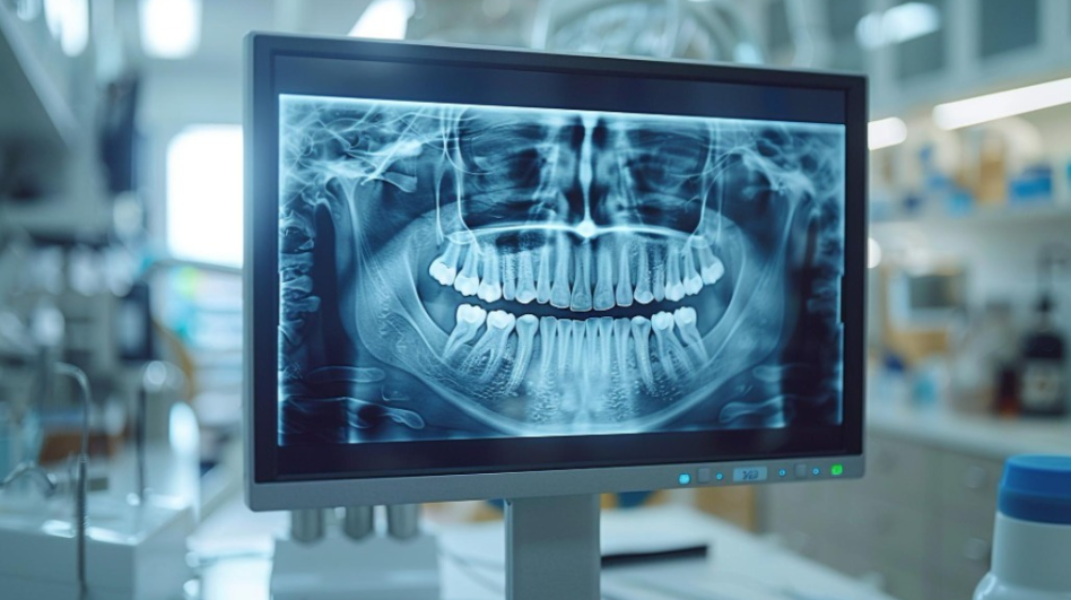
A dental problem is not always limited to the tooth that hurts. Decay may be developing elsewhere, old restorations may require attention, gum problems can progress quietly, and impacted teeth may remain hidden beneath the gums. A Full Mouth Examination and Digital X-ray in Bhugaon provides a broader view of oral health when comprehensive assessment is clinically appropriate.
The purpose is not to perform unnecessary tests. It is to combine clinical findings with relevant imaging so treatment decisions are based on useful diagnostic information.
What Does a Full Mouth Examination Include?
A comprehensive dental examination generally evaluates the teeth, gums, bite, existing dental work, missing teeth, and oral tissues.
The dentist may examine:
- Areas of visible decay
- Cracked or worn teeth
- Existing crowns and fillings
- Gum inflammation
- Tooth mobility
- Missing teeth
- Wisdom teeth
- Previous root canal treatment
- Bite relationships
- Areas causing pain or sensitivity
Medical and dental history also provide important context.
Why Visual Examination Has Limits
Dentists can identify many conditions directly, but some structures cannot be adequately assessed from the surface.
Decay can develop between teeth. Infection may occur around a root. Bone changes associated with periodontal disease can remain invisible during a simple visual inspection.
Dental X-rays help provide additional information when there is a clinical reason to obtain them.
What Can Digital Dental Imaging Show?
Different types of dental images are used for different purposes.
Depending on the clinical situation, imaging may help evaluate:
- Hidden decay
- Tooth roots
- Bone levels
- Dental infections
- Impacted teeth
- Previous treatment
- Missing-tooth areas
- Developing teeth
- Jaw structures
The dentist determines which image is appropriate according to the information needed.
Who May Benefit From Comprehensive Assessment?
A full dental evaluation can be useful for patients who have not attended a dental appointment for a long period, have several existing restorations, experience multiple dental symptoms, have gum concerns, or are considering extensive restorative treatment.
It may also be relevant before planning procedures involving several teeth.
The examination creates a baseline from which priorities can be established.
Treatment Priorities Matter
When several dental problems are discovered, they do not necessarily need to be treated simultaneously.
Urgent infection and active pain generally require early attention. Unstable teeth, significant decay, and gum disease may follow according to clinical priority. Cosmetic concerns and elective procedures can often be planned after oral health is stabilised.
This staged approach can make complex dental treatment easier to understand and manage.
Ask for an Explanation of Findings
Patients should know what has been identified during an examination.
A useful consultation explains which teeth are healthy, which areas require monitoring, which conditions need treatment, and why particular procedures are recommended.
Where imaging has been taken, discussing the relevant findings can help patients understand the proposed treatment plan.
Comprehensive Assessment Supports Prevention
A full examination is not valuable only when problems are discovered.
It can also identify areas requiring better cleaning, monitor existing restorations, establish gum-health status, and provide preventive guidance tailored to the patient's needs.
DantYug Dental Clinic provides Full Mouth Examination and Digital X-ray in Bhugaon when clinically indicated, allowing dental concerns to be evaluated within the context of overall oral health.
Comprehensive assessment can reveal a different picture from focusing exclusively on the most painful tooth. By examining the mouth systematically and using appropriate diagnostic imaging, dentists can establish priorities and create a treatment plan based on the patient's complete dental condition.