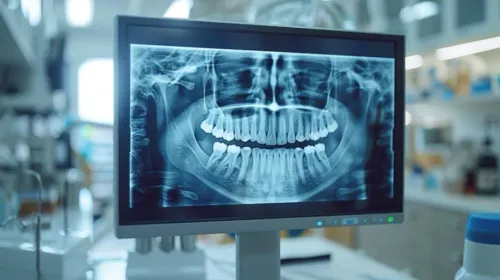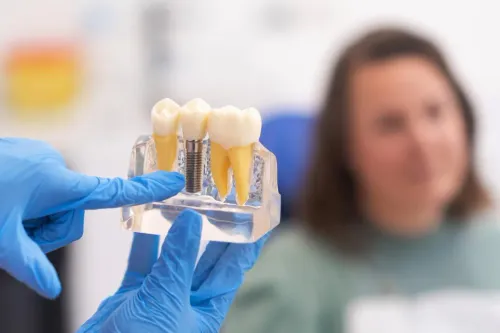
Teeth can lose strength because of extensive decay, fractures, large restorations, root canal treatment, or long-term wear. Missing teeth can also create functional gaps within the dental arch. Crown and Bridge Placement in Bhukum may be considered when a patient needs to restore a weakened tooth or replace selected missing teeth.
Crowns and bridges serve different purposes, so treatment begins by understanding which dental problem needs to be addressed.
What Is a Dental Crown?
A crown is a restoration designed to cover and protect a tooth that requires greater structural support than a simple filling can provide.
A dentist may consider a crown when a tooth:
- Has lost substantial structure
- Contains a very large restoration
- Has fractured
- Has undergone certain root canal treatments
- Requires significant shape restoration
- Needs protection from further structural damage
Not every filled or root-treated tooth automatically requires a crown. The decision depends on tooth position, remaining structure, bite forces, and other clinical factors.
What Is a Dental Bridge?
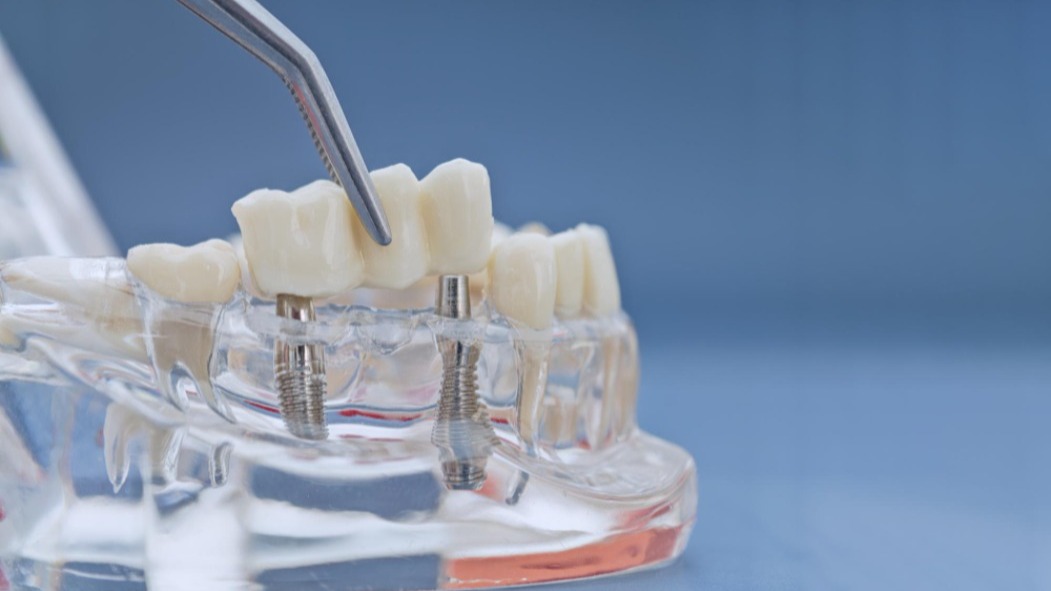
A dental bridge is one method of replacing a missing tooth by using neighbouring teeth or appropriate supporting structures.
Traditional bridges generally involve preparing supporting teeth so they can hold the replacement tooth.
Because these teeth play an important role in the success of the restoration, their health and structural condition must be assessed carefully before treatment.
When Is a Crown More Appropriate Than a Filling?
Fillings are effective for many small and moderate defects. Problems arise when too little natural tooth structure remains to support a conventional filling reliably.
In such situations, a crown may provide broader coverage.
However, removing additional tooth structure solely to place a crown is not always necessary. Conservative treatment should be considered when the tooth can be predictably restored with a less extensive option.
What Should Be Evaluated Before a Bridge?
A bridge should not be planned by considering the gap alone.
The dentist needs to examine:
- Health of supporting teeth
- Gum condition
- Bone support
- Bite forces
- Number and position of missing teeth
- Existing restorations
- Ability to maintain oral hygiene
Alternative replacement methods may also be discussed depending on the patient's circumstances.
Maintenance Influences Longevity
Crowns and bridges still require daily cleaning.
The margin where a crown meets the natural tooth can develop plaque accumulation and decay if oral hygiene is poor. Bridges require additional attention around the replacement tooth and supporting areas.
Patients should follow the cleaning method recommended for their restoration and continue periodic dental examinations.
What Should Patients Ask Before Treatment?
Before proceeding, it is useful to understand why the restoration is recommended and what condition the supporting tooth is in.
Ask about:
- The amount of healthy tooth structure remaining
- Whether gum treatment is required first
- The expected treatment stages
- Cleaning requirements
- Bite considerations
- Alternative restorative options
Clear answers make it easier to evaluate whether the proposed restoration fits the dental problem.
Restoring Function Comes First
Although crowns and bridges can improve the appearance of teeth, their role is not purely cosmetic. Properly planned restorations aim to support chewing, protect compromised teeth, replace appropriate missing teeth, and maintain a functional bite.
Patients considering Crown and Bridge Placement in Bhukum can have their restorative needs evaluated at DantYug Dental Clinic. Recommendations depend on examination findings and the condition of the teeth that will support the restoration.
The most suitable restoration is the one that addresses the actual structural problem while allowing the patient to maintain good oral hygiene and function over the long term.
Keywords