
Fear of pain is one of the main reasons people postpone tooth removal. Modern local anaesthesia and careful surgical planning can make dental extraction significantly more manageable. Patients considering Painless Extraction and Wisdom Tooth Removal in Pirangut should first understand why removal has been recommended and what factors influence the procedure.
The goal is not to remove teeth unnecessarily. Extraction is generally considered when preserving the affected tooth is not practical or when a wisdom tooth is creating a clinically significant problem.
When Can a Tooth Need Extraction?
Possible reasons include:
- Severe structural damage
- Extensive decay
- Advanced periodontal disease
- Certain dental infections
- Fractured roots
- Problematic impacted teeth
- Selected orthodontic requirements
Before removal, the dentist evaluates whether the tooth has a reasonable restorative option.
Wisdom Teeth Need Individual Assessment
The presence of a wisdom tooth does not automatically mean it should be removed.
Some wisdom teeth erupt into a healthy position and can be maintained. Others remain trapped beneath the gum or bone, erupt only partially, or emerge at an unfavourable angle.
Problems associated with wisdom teeth may include recurring inflammation, food trapping, decay, damage to neighbouring teeth, and local infection.
Why Dental Imaging Matters
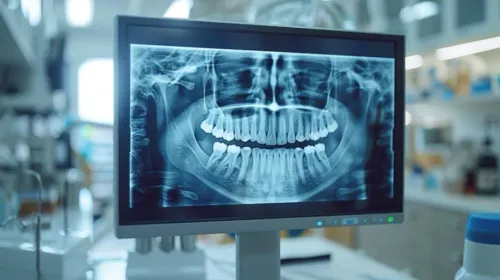
An X-ray helps the dentist understand the tooth's position, root shape, surrounding bone, and relationship with nearby anatomical structures.
This is especially important for impacted wisdom teeth because their surgical complexity varies considerably.
Planning based on imaging helps the clinician select an appropriate technique and explain the expected procedure to the patient.
What Does Painless Extraction Actually Mean?
No responsible clinician can promise that every patient will experience absolutely no discomfort at every stage.
Local anaesthesia is used to numb the treatment area so sharp pain should not be expected during a properly anaesthetised extraction. Patients can still experience sensations such as pressure and movement.
Communication is important. Patients should tell the dentist if they experience discomfort so the situation can be reassessed.
Simple and Surgical Extractions Differ
A tooth that is fully visible and accessible may sometimes be removed using a straightforward extraction technique.
An impacted, fractured, or difficult-to-access tooth can require a surgical approach. This may involve making a controlled opening in the gum and managing surrounding tissues appropriately.
The dentist determines the approach after assessment rather than choosing it solely according to symptoms.
Recovery After Tooth Removal
Aftercare plays a major role in healing.
Patients are generally advised to follow instructions concerning the extraction site, diet, oral hygiene, medication, and activity.
Actions that disturb the healing blood clot can interfere with recovery. Patients should therefore follow the specific instructions provided after their procedure rather than relying on generic advice from friends or online sources.
Increasing swelling, persistent bleeding, severe worsening pain, fever, or other unexpected symptoms should be reported to the treating dentist.
Know Why the Tooth Is Being Removed
Before agreeing to extraction, patients should understand the diagnosis, whether the tooth can reasonably be saved, how complex the removal is expected to be, and what replacement options may eventually be relevant if a functional tooth is removed.
DantYug Dental Clinic evaluates patients seeking Painless Extraction and Wisdom Tooth Removal in Pirangut, including clinical examination and dental imaging where appropriate.
Careful assessment, effective local anaesthesia, suitable technique, and good post-operative care can make tooth extraction a more controlled and comfortable experience while supporting appropriate healing.
Keywords