Wisdom teeth are the last set of molars to emerge, usually between the ages of 17 and 25. While some people never experience problems with these teeth, others may develop pain, swelling, infections, or difficulty opening their mouths. The good news is that modern dentistry offers painless extraction techniques that make wisdom tooth removal much more comfortable than many people expect.
For residents of Bhugaon, Bhukum, Pirangut, and nearby Pune, understanding when extraction is necessary can help prevent future dental complications.
What Are Wisdom Teeth?
Wisdom teeth are the third molars located at the back of the mouth. Since modern jaws often do not have enough space to accommodate them, these teeth may become impacted or erupt at an angle.
An impacted wisdom tooth can remain partially or completely trapped beneath the gums, increasing the risk of oral health issues.
Signs That a Wisdom Tooth May Need Removal
Not every wisdom tooth requires extraction. However, your dentist may recommend removal if you experience:
- Persistent pain at the back of the mouth
- Swollen or bleeding gums
- Difficulty chewing
- Bad breath caused by trapped food
- Repeated gum infections
- Jaw stiffness
- Damage to the neighboring tooth
- Tooth decay that is difficult to treat
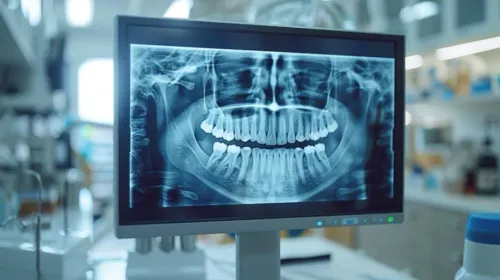
A digital X-ray helps determine the exact position of the tooth and whether extraction is the best option.
Why Delaying Treatment Can Be Risky
Ignoring a problematic wisdom tooth may lead to:
- Recurrent infections
- Gum disease
- Damage to adjacent teeth
- Formation of cysts
- Tooth decay in hard-to-clean areas
- Jaw discomfort
Early evaluation often allows treatment before complications become severe.
Are Tooth Extractions Painful?
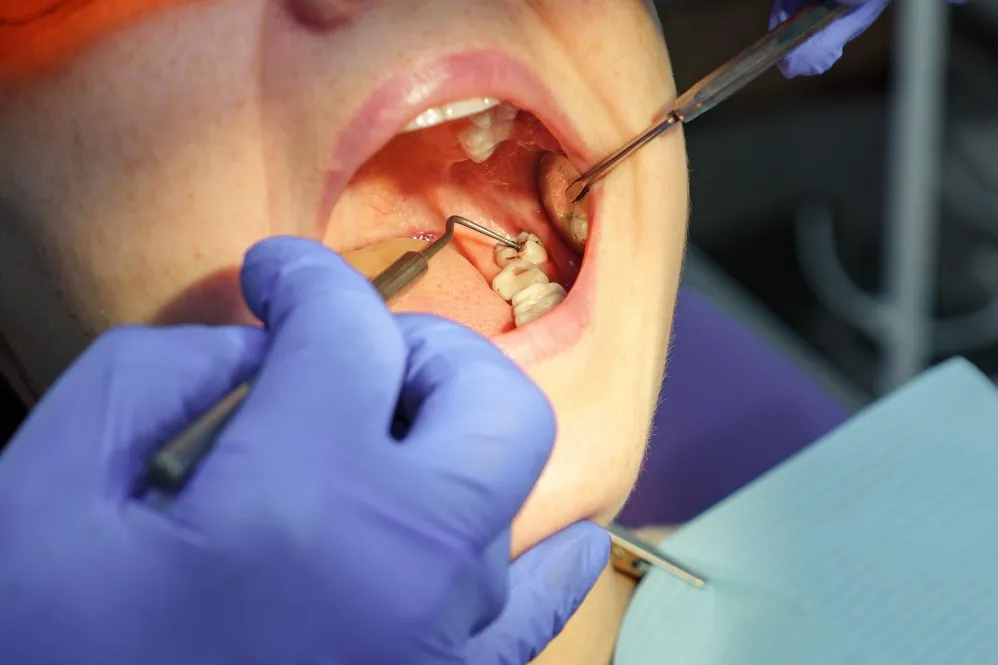
Modern dental procedures prioritize patient comfort. Local anesthesia effectively numbs the treatment area, ensuring minimal discomfort during the extraction. For complex cases, additional comfort options may also be discussed depending on the patient's needs.
Most patients report feeling pressure rather than pain during the procedure.
What Happens During Wisdom Tooth Removal?
The treatment generally includes:
- Clinical examination and digital imaging
- Administration of local anesthesia
- Gentle removal of the tooth
- Cleaning the extraction site
- Placement of stitches if required
- Post-operative instructions for recovery
The complexity depends on whether the tooth is fully erupted or impacted.
Recovery Tips for Faster Healing
Following your dentist's instructions can help speed up recovery.
Helpful tips include:
- Rest for the first 24 hours.
- Avoid smoking and alcohol.
- Eat soft foods for a few days.
- Avoid using a straw.
- Maintain oral hygiene carefully.
- Apply cold packs if swelling occurs.
Most people resume normal daily activities within a few days.
Can Every Wisdom Tooth Be Saved?
Some wisdom teeth erupt normally, remain healthy, and function well without causing problems. In such cases, regular monitoring may be all that's needed.
Extraction is usually recommended only when the tooth poses a risk to your oral health or comfort.
Choosing the Right Dental Clinic
An experienced dental team, modern imaging, and careful treatment planning can make a significant difference in the extraction experience.
Patients visiting DantYug Dental Clinic In Bhugaon benefit from detailed evaluations before recommending wisdom tooth removal, ensuring treatment is performed only when clinically necessary.
Wisdom tooth extraction is often a preventive step that protects surrounding teeth and gums. Seeking timely advice can help avoid unnecessary pain and more complex dental problems later.
Keywords